Grief and Bereavement Therapy in California
Quick Answer
How does grief therapy work?
Grief therapy creates a structured space to process loss, work through unfinished conversations, and adjust to life without the person who died. Evidence-based approaches include complicated grief treatment (CGT), CBT for grief, and meaning-centered therapy. Therapy is appropriate for any kind of loss, at any point after a loss, and it is especially helpful when grief is interfering with daily life. Most California insurance plans cover grief-related mental health care.
Looking for grief therapy that takes your insurance? Lean Medical connects you with California clinicians experienced in bereavement, prolonged grief disorder, traumatic loss, anticipatory grief, and the depression and anxiety that often follow a major loss. We accept Cigna and Aetna.
When Grief Becomes a Condition
Most grief, even when extreme, follows its own arc. People oscillate between waves of loss-focused emotion and stretches of restoration - eating, sleeping, returning to work, finding moments of normalcy. Over months, the waves come less often and you adjust to a world where the person is no longer in it. This is hard but it is not pathological.
Grief becomes a clinical condition when intense yearning, preoccupation, and inability to re-engage with life persist past about a year. The DSM-5-TR now recognizes prolonged grief disorder as a distinct diagnosis. It is different from depression, though the two can co-occur. Grief can also surface or worsen anxiety, PTSD (particularly after a sudden or traumatic loss), and substance use as a coping mechanism.
You Do Not Have to Wait
A common myth is that you should wait some amount of time before seeking grief therapy - as if early grief is too raw to work with, or as if seeking help means you are not coping well enough on your own. Neither is true. Therapy can be useful in the first weeks after a loss, years later, or somewhere in between. It is not a treatment for failure to grieve correctly. It is a place to be honest about what is hard, with someone whose job is to listen and help.
People come to grief therapy after the death of a parent, partner, child, sibling, or close friend; after a death by suicide, overdose, or violence; after a stillbirth, miscarriage, or pregnancy loss; after the death of a pet who functioned as family; or after losses that are not deaths - divorce, estrangement, the loss of a future. All of these are real losses and all of them can be worked with in therapy.
How We Treat It
Therapy is the foundation. Evidence-based approaches include complicated grief treatment (CGT), a structured 16-session model developed specifically for prolonged grief; CBT adapted for grief; meaning-centered therapy; and acceptance and commitment therapy (ACT). The therapist works with what is actually happening for you - guilt, anger at the person who died, anger at yourself, avoidance of reminders, difficulty letting go of belongings, conversations you wish you had had.
For traumatic loss - sudden death, violence, suicide, witnessing - trauma-focused approaches including EMDR may be appropriate alongside or before grief-specific work. Family therapy is helpful when a death has reshaped how the family functions or when family members are grieving very differently - our guide to what family therapy is and how it works explains the format.
Psychiatry is added when grief has triggered moderate to severe depression, anxiety, or insomnia that is not responding to therapy and self-care. Medication does not numb grief; it treats the conditions that can develop in its wake so you can engage with the grief work.
Insurance Coverage
Grief-related mental health care is covered by most Cigna and Aetna plans in California, including therapy and psychiatric medication management for prolonged grief disorder, depression, anxiety, and PTSD that develop after a loss. We verify your benefits before your first appointment. If you are wondering how long coverage lasts for a structured model like CGT, see how many therapy sessions insurance covers.
Getting Started
Reach out.
Visit our Find Care page and tell us what you're experiencing. You don't need a diagnosis.
We match you.
We verify your insurance and connect you with a clinician experienced in grief work.
Begin treatment.
Start with an evaluation. Telehealth across California; in person where available.
Key Takeaways
Key takeaways
- Grief is a normal response to loss; therapy is appropriate at any point after a loss and you do not need to wait for grief to become 'complicated' to benefit.
- Prolonged grief disorder is a recognized DSM-5-TR diagnosis when intense grief persists past about a year and impairs daily life; it responds well to specialized treatment.
- Grief can trigger or worsen depression, anxiety, PTSD, and substance use; treatment addresses both the grief and any conditions that have developed alongside it.
- Evidence-based approaches include complicated grief treatment (CGT), CBT for grief, meaning-centered therapy, EMDR for traumatic loss, and family therapy when a death has reshaped family dynamics.
- The five-stage model is outdated; modern grief care works with how you actually grieve, not a fixed sequence.
Clinicians who treat grief and loss
Licensed in California and accepting new patients - telehealth statewide, in person in select cities depending on clinician availability.

Dr. Pooja Amatya
Licensed Clinical Psychologist
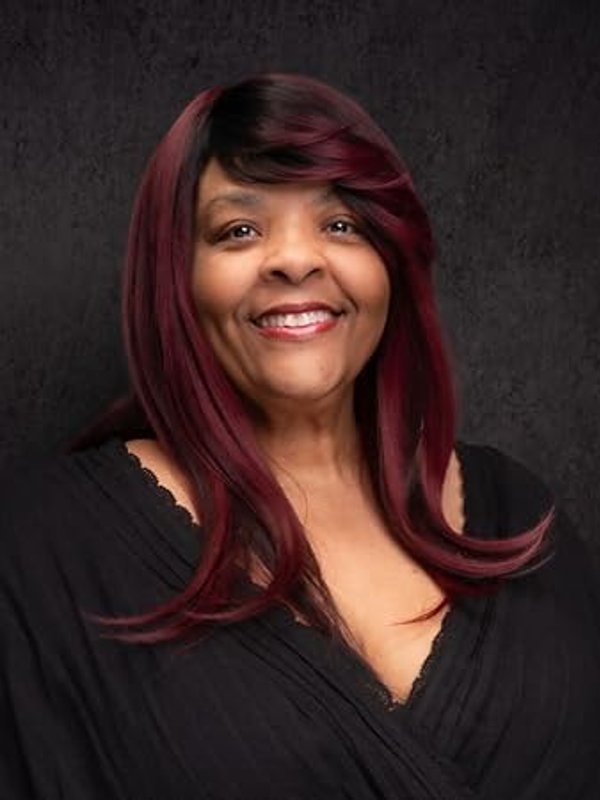
Dr. Ina Creekbaum
Licensed Clinical Psychologist

Dr. Gillian Dowlou
Licensed Clinical Psychologist

Dr. Alicia Francois
Licensed Clinical Psychologist

Dr. Rebecca Gutierrez
Licensed Clinical Psychologist

Dr. Joelle Kobliska
Licensed Clinical Psychologist

Dr. Lisa LaFave
Licensed Clinical Psychologist

Dr. Celeste Simmons
Licensed Clinical Psychologist

Dr. Mary Tagle
Licensed Clinical Psychologist

Dr. Nathaniel Woods
Licensed Clinical Psychologist

Dr. Mihir Upadhyaya
Psychiatrist
Frequently Asked Questions About Grief
Depression treatment
Grief and depression overlap; see how we treat depression specifically.
Trauma and PTSD
Traumatic loss often calls for trauma-focused care alongside grief work.
Anxiety treatment
Grief frequently surfaces or worsens anxiety; the two are often treated together.
EMDR
For traumatic loss - sudden death, violence, suicide - EMDR is often part of the plan.